Say Goodbye to Wallpaper Bubbles: Expert Removal and Wall Prep Tactics
Quality Touch Painting Inc • August 25, 2026
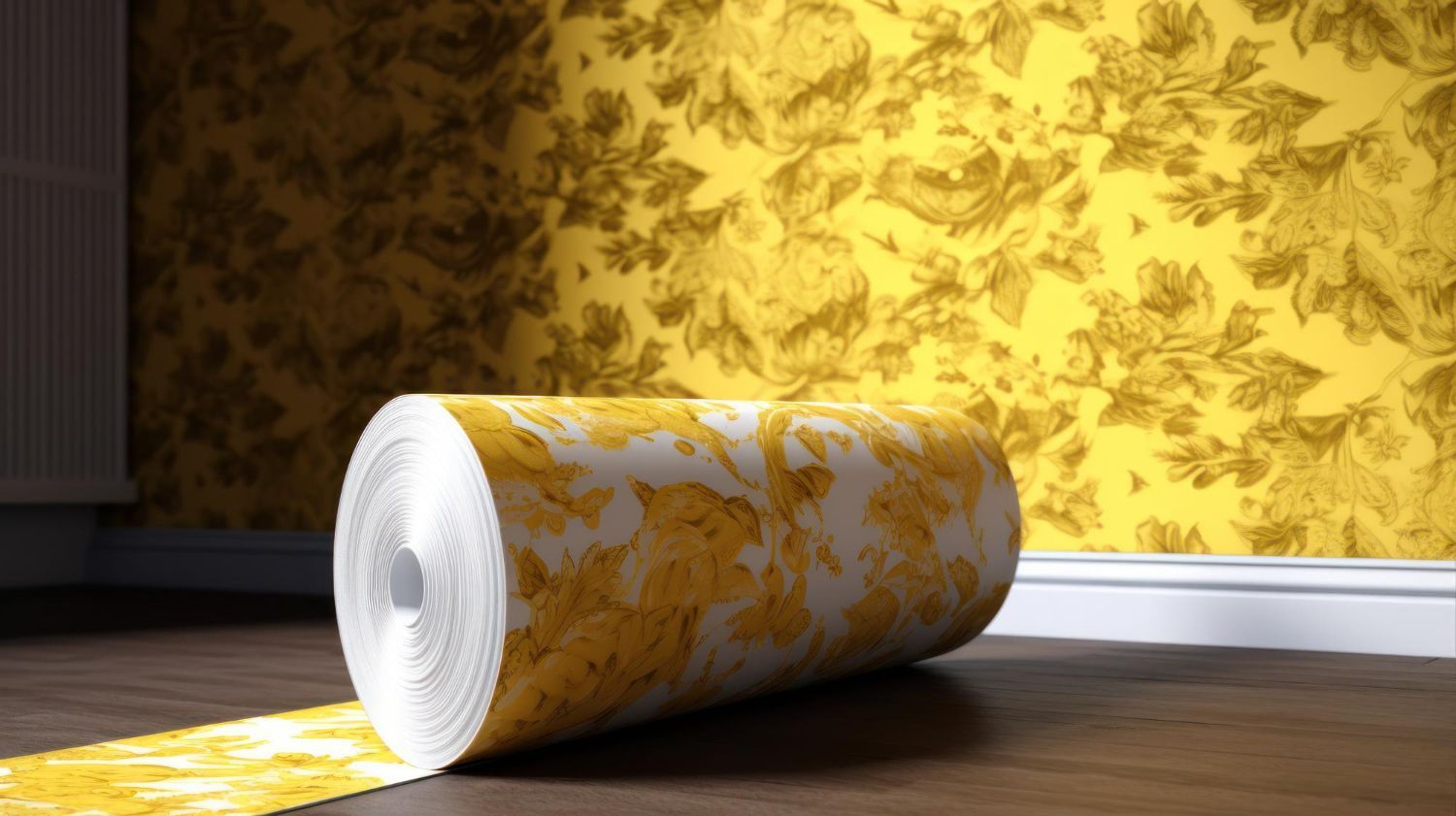
Updating the interior of an older home in St. Johns County often means dealing with outdated, stubborn wall coverings. When homeowners attempt to rip down old floral prints, they frequently end up with a wall full of gouges, sticky residue, and trapped air bubbles. At Quality Touch Painting Inc, we handle expert wallpaper removal and wall prep to give you a perfectly flat canvas. Using professional extraction tactics ensures your new paint job looks flawless and smooth.
Many people think pulling off vinyl paper is as simple as grabbing a corner and pulling hard. Ripping dry paper off the wall actually tears the protective paper facing right off your drywall, creating a massive repair job. We want to expose the technical difficulties of stripping stubborn adhesives. Exploring these clinical removal strategies helps you understand exactly what it takes to restore your interior walls.
Inside This Guide
- The Root Cause of Blistering Adhesives
- Why DIY Steaming Destroys Drywall Paper
- Repairing the Substrate for a Smooth Finish
- Frequently Asked Questions
- Restoring Flat Interior Walls
The Root Cause of Blistering Adhesives
When you look at an old wall covering and see large air bubbles forming under the surface, the original adhesive has completely failed. This happens when the wall was never properly sized or primed before the paper was hung decades ago. Changes in indoor humidity cause the paper to expand and contract, which slowly breaks the weak glue bond. If a homeowner attempts to paint directly over this bubbling paper, the moisture in the new paint will reactivate the old glue, causing the entire wall to blister heavily.
→ From a professional standpoint: You must completely strip the old paper and wash away every ounce of residual glue before applying new drywall primer, or the old adhesive will bleed right through the fresh paint.
Why DIY Steaming Destroys Drywall Paper
Hardware stores often rent out heavy wallpaper steamers to homeowners looking for a quick fix. While steam does melt old glue, pressing a boiling hot steam plate against a wall for too long severely damages the drywall underneath. The intense heat and moisture penetrate past the wallpaper and soak into the paper facing of the actual gypsum board. When you scrape the wall with a metal putty knife, the soggy drywall paper peels off in huge chunks, leaving deep craters that require hours of expensive skim coating to fix.
Correcting severe wall damage requires intense patience and a steady hand. This is a pattern the team at Quality Touch Painting Inc hears regularly from clients who need pristine interior finishes.
Repairing the Substrate for a Smooth Finish
Once the old decorative layer is safely removed, the wall feels rough and sticky. Professionals use specific enzyme based chemical strippers to break down the paste without gouging the wall. After the wall is scrubbed clean, the crew applies a specialized sealing primer called Gardz to lock down any microscopic glue residue. Finally, the painters float a thin layer of joint compound over the entire wall, sanding it perfectly flat to erase all signs of the previous installation.
Frequently Asked Questions
Why does pulling off old wallpaper often reveal severe drywall damage?
In many older homes, the original builders applied wallpaper directly over bare, unprimed drywall to save money. Because there is no protective layer of paint or primer between the gypsum board and the heavy adhesive, the two surfaces effectively fuse together. When you attempt to remove the wallpaper, the glue holds on so tightly that it rips the top layer of the drywall right off with it.
How long does a full skim coat take to dry before painting?
A skim coat involves applying a very thin layer of joint compound over the entire wall to make it perfectly smooth. Depending on the indoor humidity and the thickness of the mud, a skim coat typically requires twenty four hours to dry completely. The wall must then be sanded smooth, wiped clean of all dust, and sealed with a high quality drywall primer before any finish paint is applied.
Can sizing adhesive be permanently sealed without using harsh chemical strippers?
If removing the old paper is causing massive structural damage to the drywall, professionals can sometimes seal the paper firmly to the wall. They cut away any loose bubbles, apply an oil based sealing primer to lock out moisture, and then skim coat over the seams to hide the paper edges. However, completely removing the old adhesive is always the preferred method for a lasting finish.
Restoring Flat Interior Walls
Achieving a perfectly smooth wall demands enzyme based glue strippers, careful scraping techniques, and expert skim coating. By refusing to paint over bubbling paper, you ensure your living space looks crisp and professionally finished. Contact our prep team today to request a wall evaluation and get your interior ready for a fresh new color.
Share This Blog