3 Vital Coastal Climate Defenses Using Exterior Painting Services
Quality Touch Painting Inc • August 11, 2026
Owning a home in Ponte Vedra Beach comes with beautiful ocean views and highly destructive salt air. The constant barrage of sea breeze and ultraviolet radiation breaks down standard house paint at an alarming rate. Quality Touch Painting Inc provides heavy duty exterior painting services that shield your siding from the harsh coastal environment. Implementing specific trade defenses ensures your property resists the brutal combination of salt, sun, and heavy rain.
Many property owners make the mistake of buying cheap hardware store paint that simply cannot handle coastal exposure. Within two years, the cheap binders degrade, leaving the siding faded, chalky, and vulnerable to wood rot. We created this actionable guide to help you protect your biggest investment from the elements. Applying these exact climate defenses guarantees your home looks vibrant and remains structurally sound for years.
In This Article
- Tip 1: Neutralize Salt Deposits Before Priming
- Tip 2: Specify High Build Elastomeric Coatings
- Tip 3: Monitor Wood Moisture Levels Diligently
- Frequently Asked Questions
- Protecting Your Coastal Investment
Tip 1: Neutralize Salt Deposits Before Priming
Airborne salt from the ocean constantly settles on your exterior siding and creates an invisible, highly corrosive film. If a painter sprays fresh acrylic directly over this salt layer, the new coating will fail to bond with the underlying material.
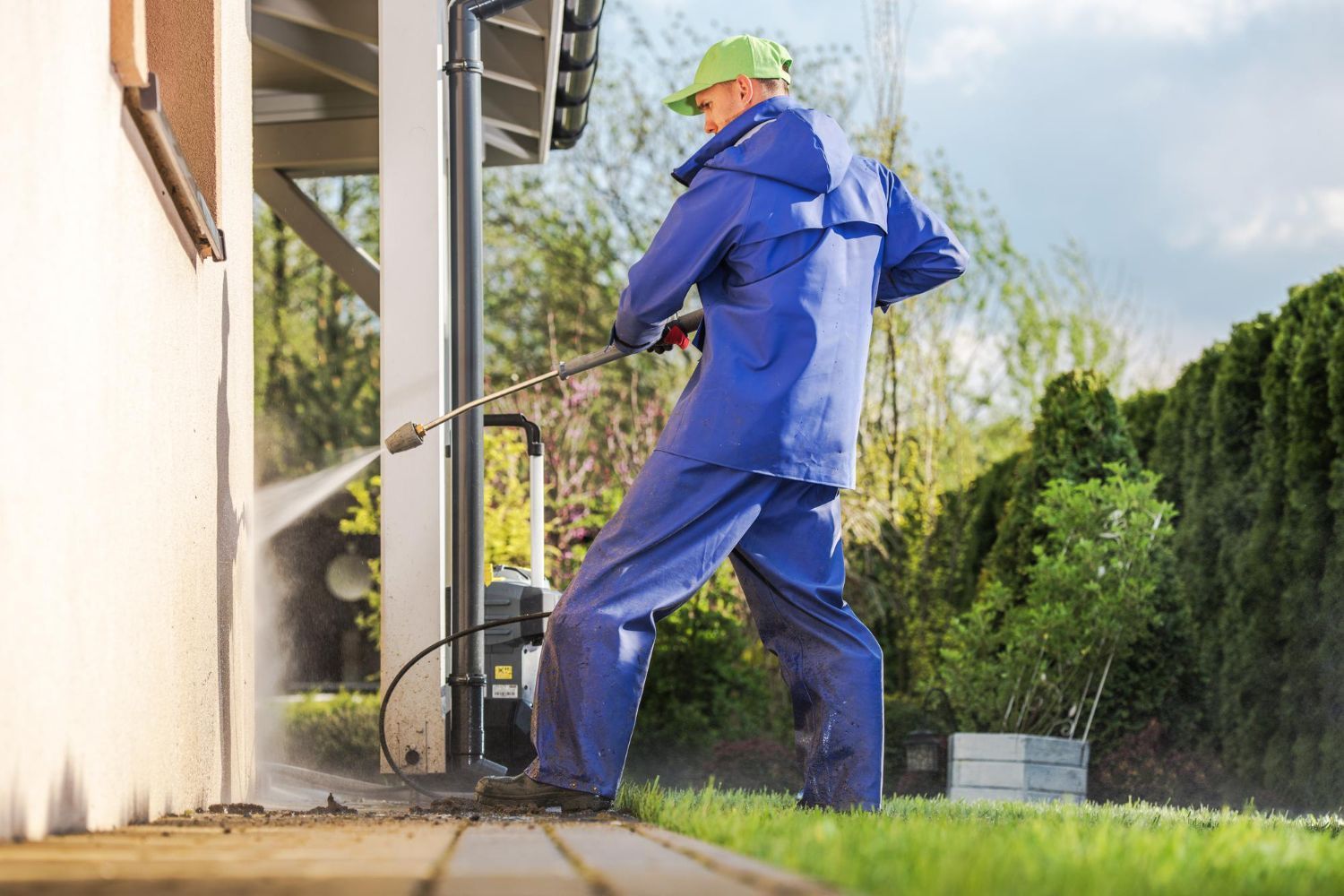
- Surface Washing: Crews must use a low pressure chemical wash designed specifically to dissolve and wash away crystalline salt deposits without forcing water into the wood.
- Rinsing Protocols: The entire house requires a massive volume of fresh water to flush the salt chemicals completely off the siding and trim.
- Drying Time: The exterior must dry out completely in the sun before any primer is opened to prevent trapping vapor behind the new paint.
Tip 2: Specify High Build Elastomeric Coatings
Standard acrylic paints go on thin and dry hard, which makes them prone to cracking when your home expands in the summer heat. Coastal homes require specialized coatings that stretch and flex with the building.
- Bridging Gaps: Elastomeric paints are incredibly thick and bridge tiny hairline cracks in stucco, preventing wind driven rain from entering the walls.
- Ultraviolet Resistance: High build coatings contain advanced chemical binders that resist fading and chalking under the intense Florida sun.
- Impact Deflection: The rubbery nature of the dried elastomeric film helps bounce off blowing sand and small debris without chipping the color.
Applying specialized thick coatings requires expert knowledge and an incredibly steady hand. This is a pattern the team at Quality Touch Painting Inc hears regularly from clients needing durable protection.
►Client Experience: Ashleigh Eminisor shared "Quality Touch Painting painted the exterior of our home with perfection, precision and professionalism. We couldn’t have asked for better quality and the completion timeframe was amazing."
Delivering precise application and rugged durability is exactly why Ashleigh trusts our exterior crews.
Tip 3: Monitor Wood Moisture Levels Diligently
Coastal humidity keeps exterior wood trim in a constant state of dampness. Sealing wet fascia boards or window frames is the leading cause of massive paint blisters.
- Electronic Testing: Professionals press a digital moisture meter into the raw wood to verify the internal water content is below fifteen percent before painting.
- Rot Replacement: Any spongy or heavily saturated boards must be completely cut out and replaced because paint cannot fix rotting lumber.
- Oil Priming: Raw, dry wood receives a slow drying oil primer that penetrates deep into the grain to lock out future humidity.
Frequently Asked Questions
Why do dark exterior paint colors absorb more destructive UV radiation?
Dark pigments physically absorb a much higher percentage of the sun's light and heat energy compared to lighter shades. This extreme heat absorption causes the chemical binders in the paint to break down at an accelerated rate, leading to severe chalking and fading. In coastal Florida, painting a home dark charcoal or navy blue means the exterior will require repainting much sooner than a house painted in a light, reflective color.
How do premium acrylic binders slow down the chalking process on siding?
Premium paints are manufactured with high quality acrylic resins that form a much tighter, more resilient molecular bond as they dry. These advanced resins act like a strong plastic shield that resists the degrading effects of ultraviolet light. Cheaper paints use low grade vinyl binders that easily break down under the sun, leaving a dusty, chalky residue on the surface of your siding.
Can extreme heat cause dark paints to blister on older wood?
Yes. If older wood siding contains hidden moisture, painting it a dark color will drastically raise the surface temperature of the board during the afternoon. The intense heat causes the trapped water inside the wood to boil and turn into vapor. The expanding vapor forces its way outward, blowing massive blisters into the new layer of dark paint.
Protecting Your Coastal Investment
Defending your coastal property demands strict salt removal, specialized flexible coatings, and rigorous moisture testing. By treating the local environment with respect and using the right materials, you guarantee your exterior survives the harsh conditions. Call our shop today to schedule a thorough siding evaluation and secure a rugged, lasting finish.
Share This Blog