Interior Paint Peeling Near Windows? Why Jacksonville’s Humidity Is to Blame
Quality Touch Painting Inc • August 5, 2026
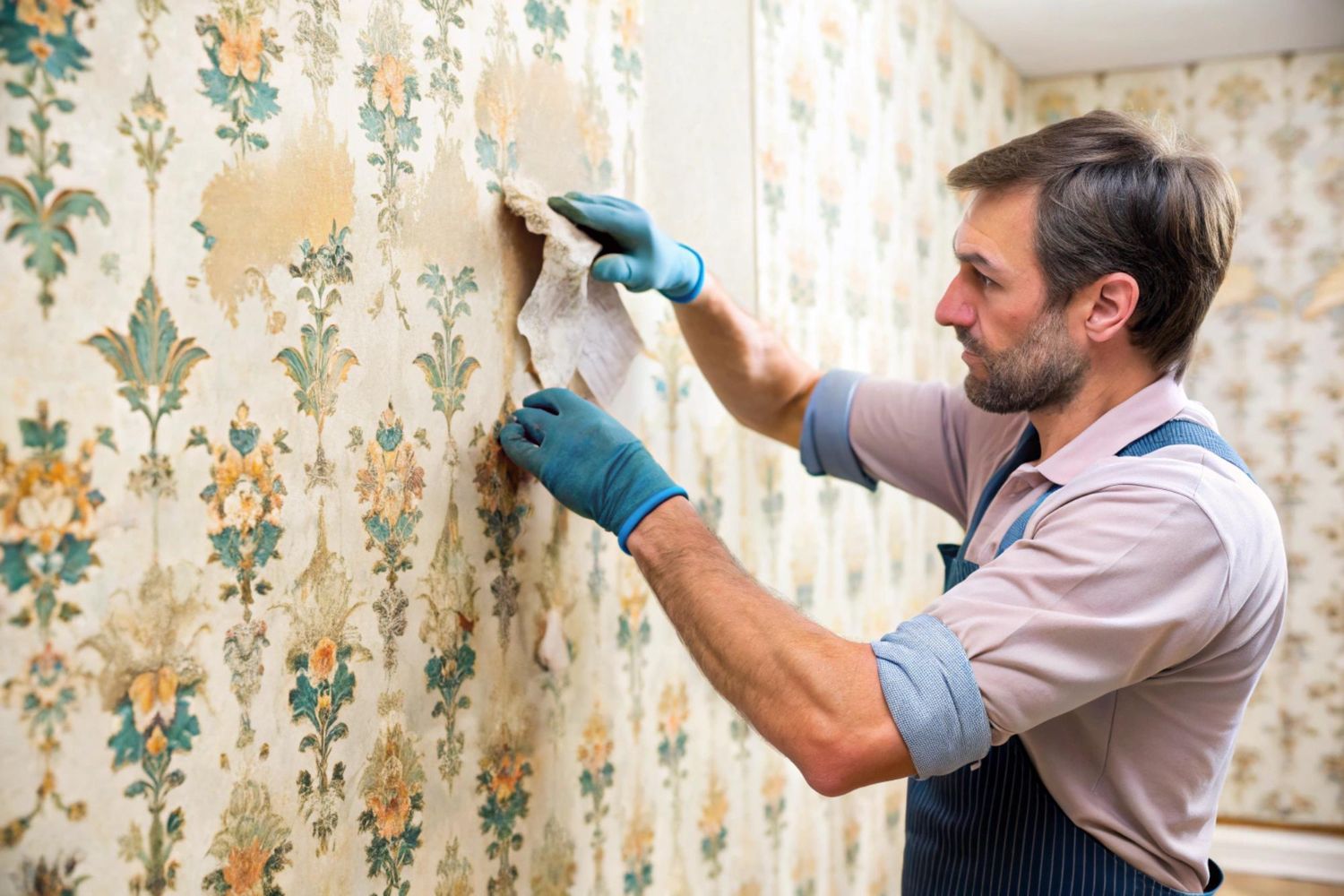
Living in Florida means dealing with thick airborne moisture nearly year round. When property owners in the Riverside district notice the paint peeling in thick sheets right around their window frames, they often assume they simply purchased a bad batch of acrylic. At Quality Touch Painting Inc, we know that interior coating failure near exterior openings is rarely a product defect. High humidity constantly attacks the structural seals around your glass, leading to severe moisture intrusion that ruins your walls from the inside out.
Ignoring a blistering window sill guarantees the underlying drywall and framing lumber will eventually rot. Moisture trapped behind the paint film physically pushes the coating off the wall, creating ugly bubbles and peeling edges. We want to expose the hidden physical forces that destroy your interior finishes. Understanding how local humidity affects your property helps you protect your home and determine when professional interior painting services are necessary to fix the root cause.
What We Cover Today
- The Hidden Moisture Trap Around Window Casings
- Why DIY Scraping Makes the Peeling Worse
- How does cracked exterior caulk lead to interior paint failure?
- Halting Moisture Intrusion With Professional Prep
- Securing Your Interior Walls
The Hidden Moisture Trap Around Window Casings
When humid outdoor air meets a cool, air conditioned window pane, heavy condensation forms along the glass. If the wooden sills and drywall returns around your window lack a high quality primer, this standing water slowly soaks directly into the porous building materials. The moisture travels through the wood fibers and gets trapped directly underneath the topcoat of your interior paint. As the room warms up during the day, the trapped water tries to evaporate, creating intense vapor pressure that literally blows the paint off the wall.
→ From a professional standpoint: Applying a standard latex paint over a moisture damaged window sill without using a stain blocking oil primer guarantees the new coat will peel within a single month.
Why DIY Scraping Makes the Peeling Worse
Homeowners frequently try to fix a peeling window sill by grabbing a metal putty knife and aggressively hacking away at the loose flakes. Scraping wet, degraded drywall paper tears the protective facing right off the gypsum core. Once the raw gypsum is exposed to the humid Jacksonville air, it acts like a sponge and absorbs even more water. Painting directly over gouged, fuzzy drywall paper looks terrible and fails to solve the underlying moisture problem.
Dealing with sensitive interior damage requires a crew that respects your home and knows exactly how to handle water damaged surfaces. It is a pattern the team at Quality Touch Painting Inc hears regularly from locals seeking reliable repairs.
►Client Experience: Dotty sheppard shared "Quality Touche Painting did an excellent job painting the interior of my home in NE Florida. Painters showed up promptly at 7:30 each day, took care that our furniture and possessions were protected and cleaned up at the end of each work day."
Treating your property with strict care and protecting your furniture is exactly why Dotty trusts our interior painting crews.
How does cracked exterior caulk lead to interior paint failure?
The seal around the outside of your window frame takes a brutal beating from the intense Florida sun. Over time, the exterior caulking dries out, shrinks, and cracks wide open. When heavy afternoon thunderstorms hit the side of your house, rainwater gets driven straight through those exterior cracks and channels directly into your interior wall cavities. This hidden water eventually saturates the drywall around the inside of your window, causing the interior paint to bubble and shed in large strips.
Halting Moisture Intrusion With Professional Prep
Stopping the cycle of peeling requires intense mechanical scraping, chemical bonding primers, and a complete exterior inspection. A professional crew will manually remove the dead paint, patch the damaged drywall with setting type joint compound, and seal the entire area with a moisture resistant primer. They will also inspect the exterior window caulking and apply fresh elastomeric sealants to stop the rain from getting inside. Utilizing premium acrylic paints then ensures the final color stays tightly bonded to the wall.
Securing Your Interior Walls
Safeguarding your window casings demands proper moisture management and aggressive surface preparation. By refusing to cut corners on the priming phase, you ensure your interior walls survive the harsh southern climate. Contact our office today to request an audit of your peeling paint and schedule a highly durable interior repair.
Share This Blog