The Real Reason Your Painted Stucco Is Blistering in St. Augustine
Quality Touch Painting Inc • November 10, 2026
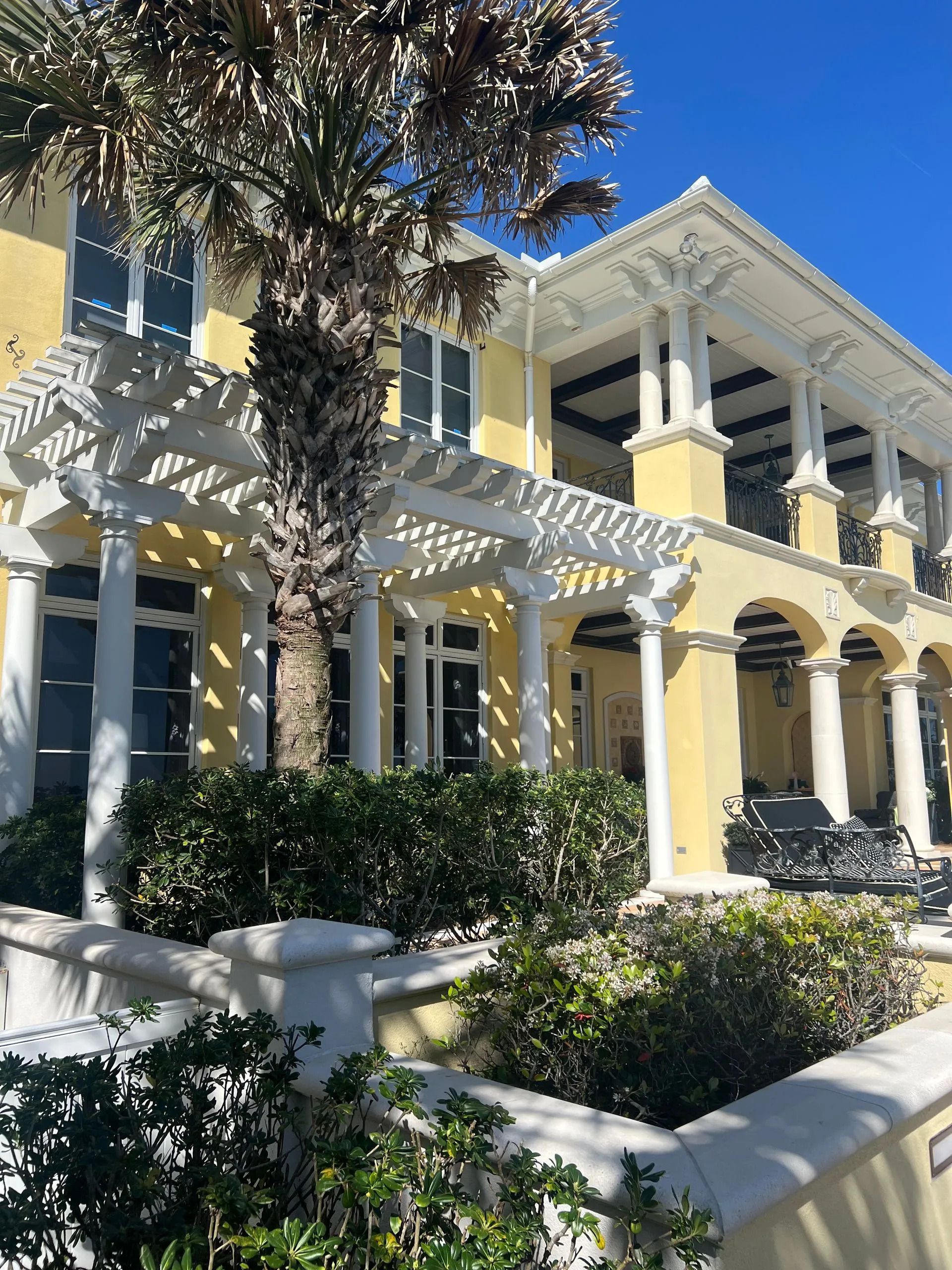
Masonry homes provide excellent structural stability, but they require highly specific maintenance to keep their exterior finish intact. Property owners occasionally walk outside to find large, unsightly bubbles forming along their exterior walls. The team at Quality Touch Painting, Inc. frequently inspects these localized issues across Florida coastal neighborhoods. Understanding exactly why this bubbling occurs is the critical first step toward a permanent masonry repair.
Many homeowners assume the problem stems from cheap materials or bad luck with recent weather patterns. The reality behind failing masonry coatings usually comes down to trapped moisture and incorrect surface preparation. Finding blistering stucco paint St. Augustine and Jacksonville Beach properties experience requires looking past the surface layer. Fixing the core issue prevents the damage from spreading and protects the underlying structure from deterioration.
In this article, we explore the following areas:
- The core cause: Moisture intrusion and vapor barriers
- Surface preparation: Where early failures begin
- Coating selection: The necessity of breathable materials
- Repair strategies: How to fix the damage properly
The Mechanics of Trapped Moisture
People regularly ask why the paint is bubbling on their stucco house. The primary culprit is almost always moisture trapped behind the coating layer. Stucco and brick are naturally porous materials that absorb water from rain, humidity, and ground moisture. When the sun heats the exterior wall, that trapped water turns into vapor and tries to escape outward.
If the exterior coating does not allow that vapor to pass through, the pressure builds up directly behind the film. This localized pressure physically pushes the coating away from the masonry surface, creating the blisters and bubbles you see on the wall. Over time, these blisters crack, exposing the raw stucco to even more moisture intrusion.
The Importance of Breathable Coatings
Preventing this failure mode requires specialized knowledge of masonry systems. Standard exterior paint often acts as a solid vapor barrier, which is exactly what stucco does not need. Professional painters use high-quality, breathable coatings specifically designed for exterior masonry. These advanced products allow water vapor to escape the wall while still repelling liquid rainwater from the outside.
Applying the correct coating system ensures optimal paint adhesion and long-term protection against everyday wear. Stucco and brick painting is a distinct trade skill that focuses on enhancing and protecting the structure, rather than just changing the color. Using breathable materials keeps your property beautiful and well-protected for years to come.
Proper Surface Preparation
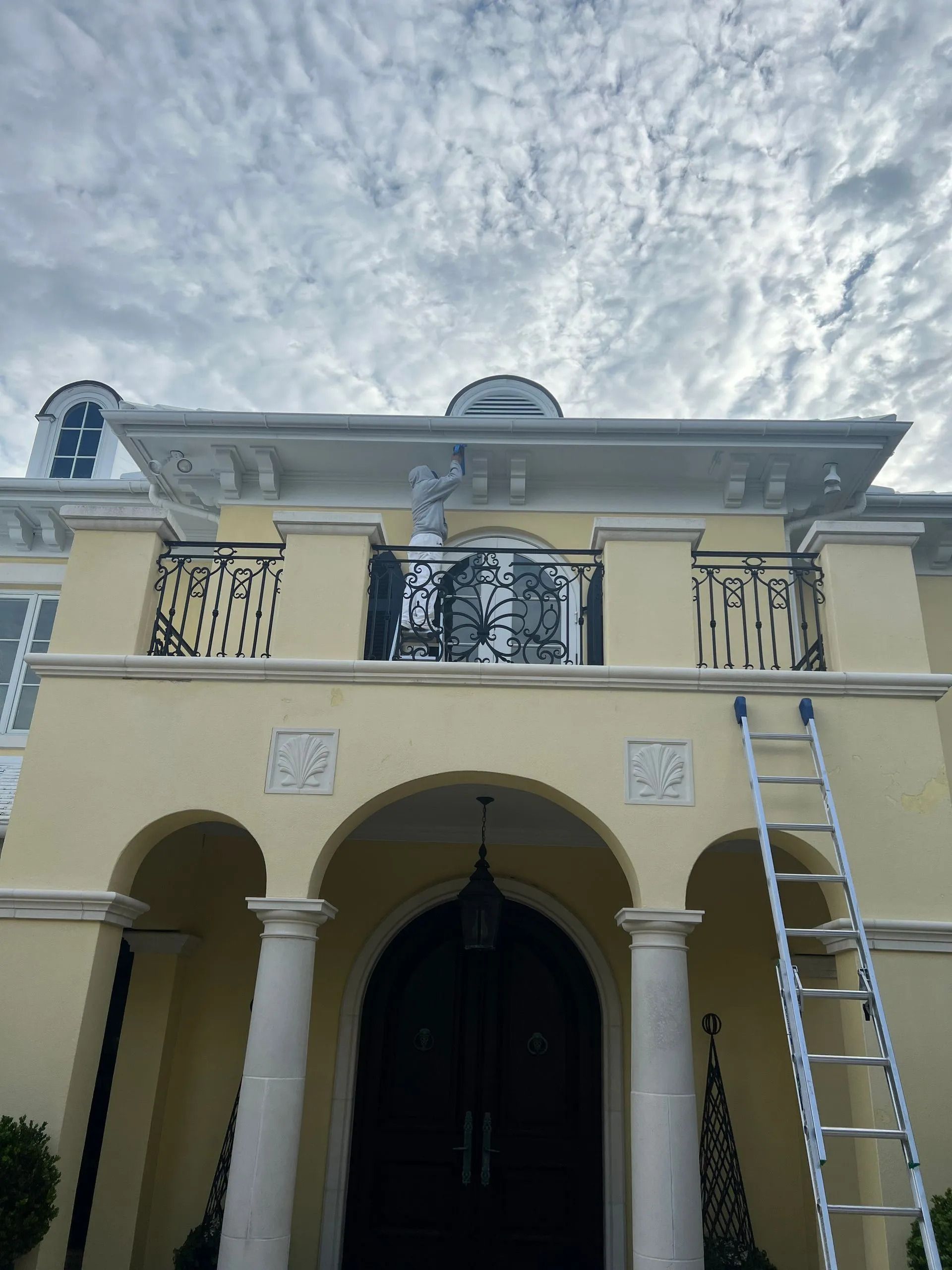
Correcting blistered stucco involves significantly more work than simply painting over the damaged area. We begin by evaluating the condition of the affected masonry to determine the extent of the moisture damage. The failing material must be completely scraped away, and the underlying surface requires careful cleaning to remove chalking, dirt, and efflorescence.
Repairing any existing cracks or damage is the next vital step. We patch these areas with appropriate masonry compounds to ensure a uniform surface. Once the repairs cure, priming each surface with specialized masonry primer creates a strong base for the final breathable coating. Skipping any of these preparation steps guarantees that the blistering will return in a matter of months.
Frequently Asked Questions
Does pressure washing fix the blistering?
Pressure washing removes dirt and loose material, but it does not fix the root cause of the moisture trapping. The surface must be properly scraped, patched, and primed before new coatings are applied.
Can I just paint over the small bubbles?
Painting over existing blisters traps the problem and adds weight to a failing coating. The new paint will simply peel away along with the old bubble as soon as the weather changes.
Restoring Your Masonry Surface Properly
Ignoring blistered walls eventually leads to significant structural moisture problems and expensive masonry repairs. Addressing the issue with the correct preparation and breathable materials secures your home against the elements. Contact our team to evaluate your exterior walls and implement a lasting solution.
Share This Blog