Preventing Chalking Fades Following Premium Exterior Painting Services
Quality Touch Painting Inc • October 14, 2026
The intense Florida sun acts like a giant bleaching beam on your exterior siding. Homeowners in St. Augustine often watch their vibrant new house colors turn dull and chalky after just a few years of harsh weather. At Quality Touch Painting Inc, we apply premium coatings designed to fight back against extreme ultraviolet radiation. Setting realistic expectations about how paints weather over time helps you make the smartest investment for your property.
Many property owners assume that an expensive bucket of acrylic will perfectly resist the southern climate forever. The truth is that every architectural coating eventually degrades when subjected to constant heat and humidity. We want to provide an honest look at the chemical reality of exterior pigment loss. Understanding the limits of modern materials ensures you select the right products to protect your home.
In This Article
- The Honest Reality of Sun Bleaching and Chalking
- Overestimating the Lifespan of Dark Exterior Colors
- Frequently Asked Questions
- Protecting Your Florida Home
The Honest Reality of Sun Bleaching and Chalking
A common misconception is that high quality exterior paint never loses its original glossy sheen. In reality the constant bombardment of ultraviolet rays slowly breaks down the chemical binders holding the liquid plastic together. As these binders fail the pigment particles loosen and turn into a fine white powder on the surface of your siding. This unavoidable process is known as chalking and it naturally makes vibrant exterior walls look milky and faded.
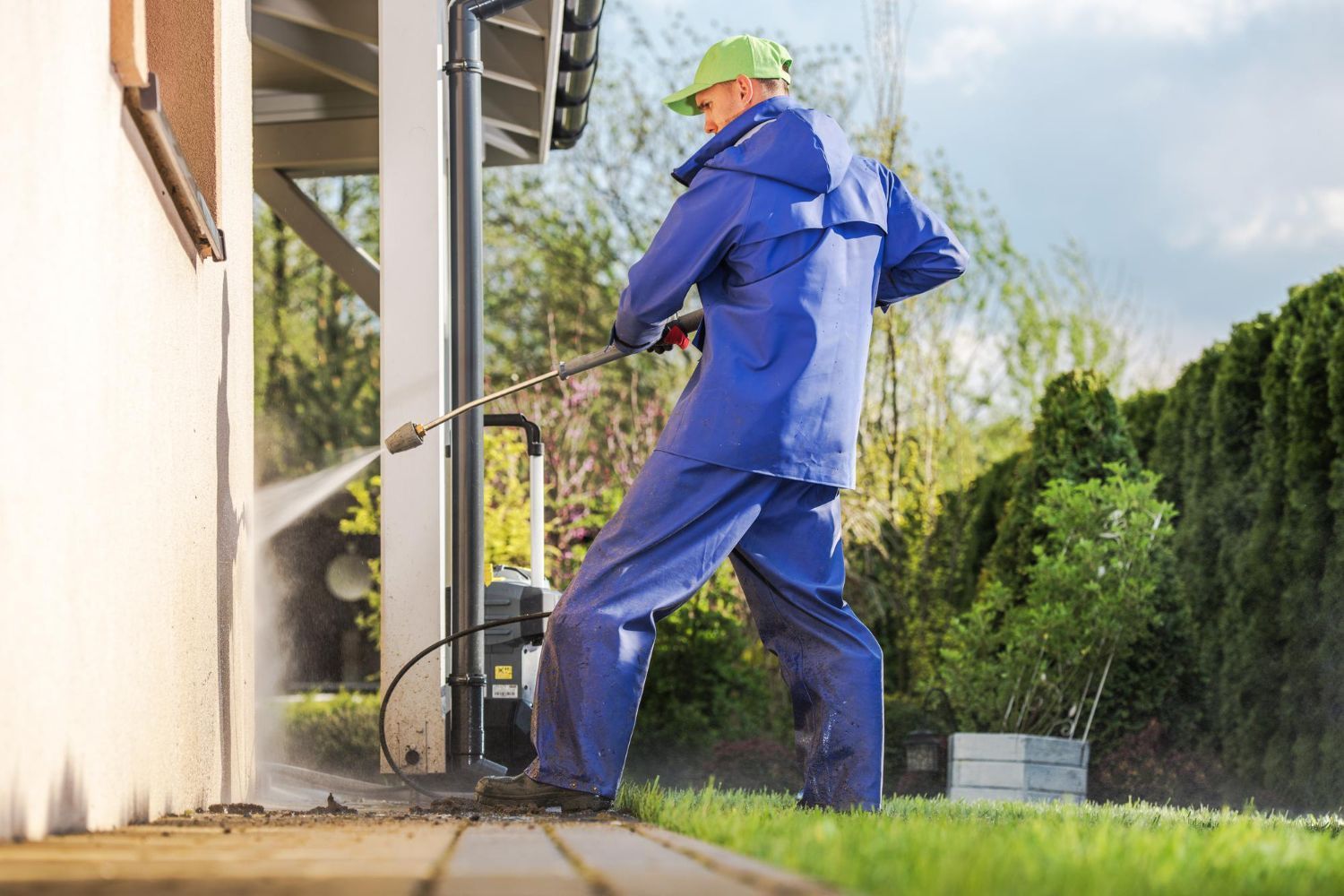
→ From a professional standpoint: Routine power washing removes this dead chalky layer and temporarily restores the depth of the underlying color before a full repaint is necessary.
Overestimating the Lifespan of Dark Exterior Colors
Many homeowners fall in love with trendy navy blue or dark charcoal house colors without realizing the physics involved. Dark colors physically absorb significantly more heat from the sun than lighter shades. This intense thermal absorption causes the dark siding to expand and contract violently which stresses the paint film. Expecting a dark grey exterior to last as long as a classic white house is a common overestimation that leads to early disappointment.
→ A quick tip to remember: Choosing lighter earth tones or pastel shades naturally reflects solar radiation and significantly extends the lifespan of premium exterior painting services.
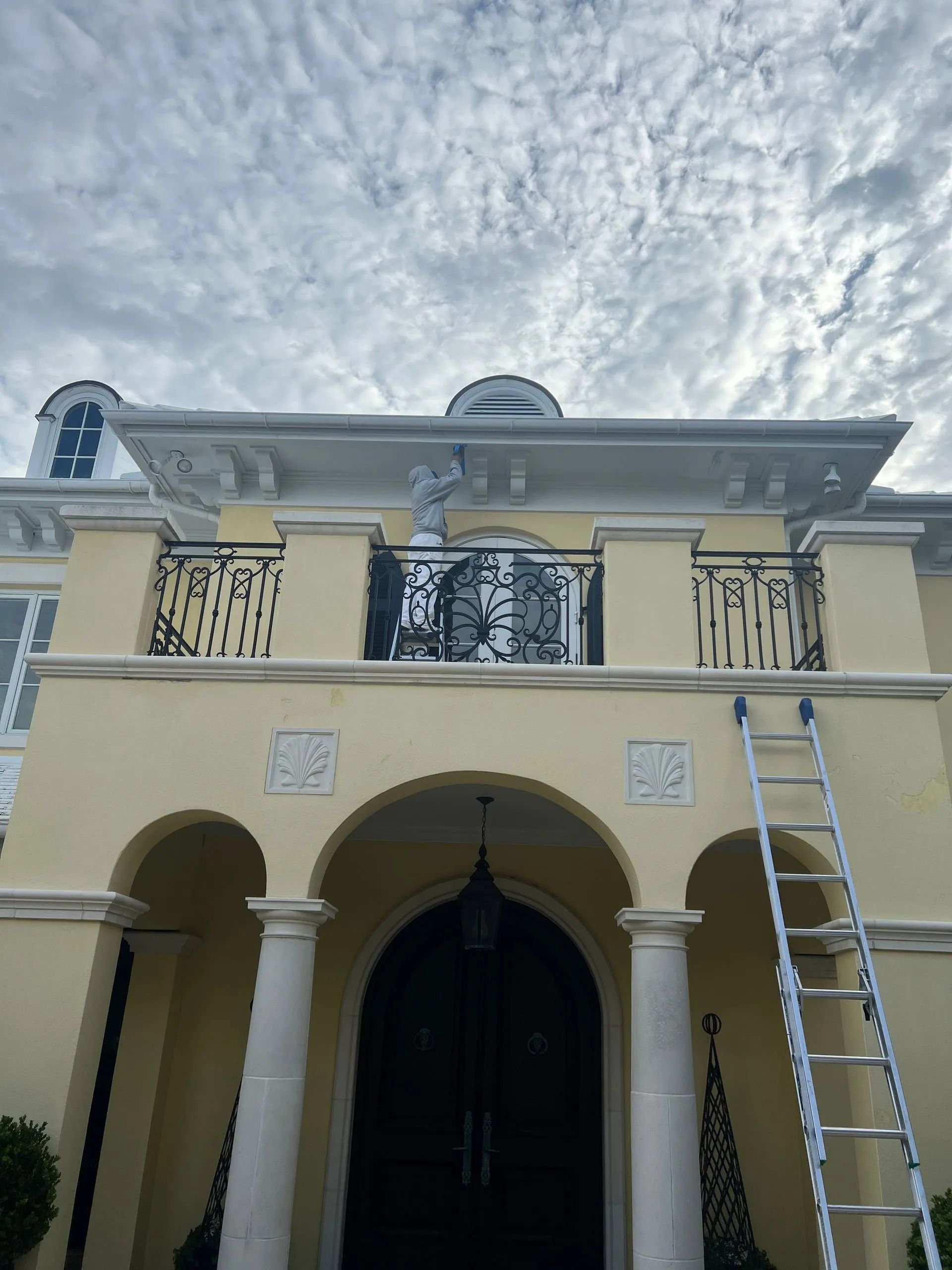
Delivering a finish that holds up against the harsh climate requires immense precision and top tier materials. This is a pattern the team at Quality Touch Painting Inc hears regularly from locals dealing with weathered siding.
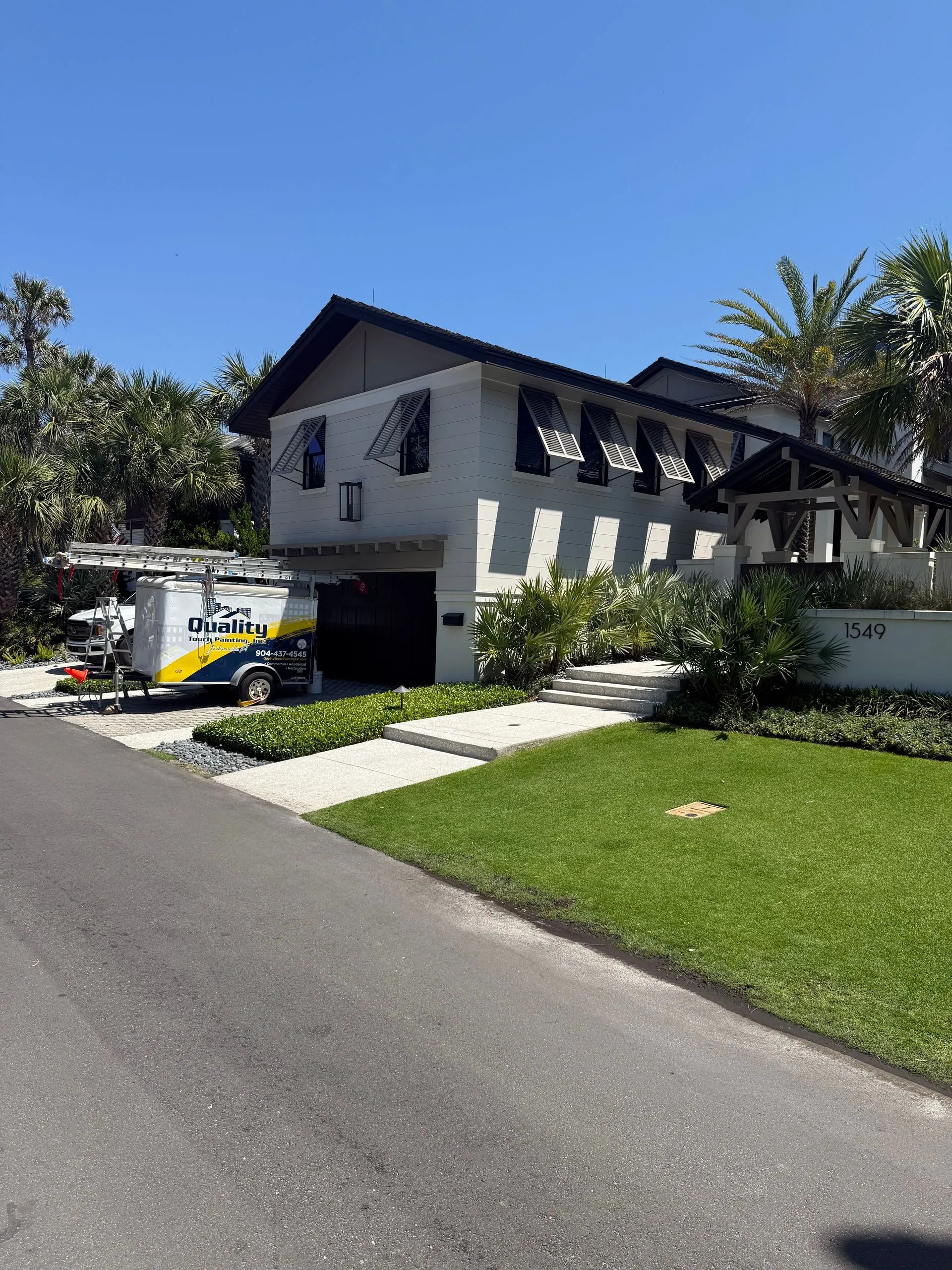
►Client Experience: Ashleigh Eminisor shared "Quality Touch Painting painted the exterior of our home with perfection, precision and professionalism. We couldn’t have asked for better quality and the completion timeframe was amazing. We will use them again and recommend them to anyone looking for excellent painting services."
Providing meticulous application that stands the test of time is exactly why Ashleigh recommends our exterior crews.
Frequently Asked Questions
Why do dark exterior paint colors absorb more destructive UV radiation?
Dark pigments naturally absorb a wider spectrum of visible light and solar radiation compared to lighter colors. This absorbed energy converts directly into thermal heat on the surface of the siding. The extreme temperature fluctuations break down the chemical resins in the paint much faster causing premature fading.
How do premium acrylic binders slow down the chalking process on siding?
High end exterior paints contain advanced 100 percent acrylic resins that remain flexible after drying. These superior binders grip the color pigments much tighter than cheap vinyl alternatives. This strong chemical bond resists ultraviolet breakdown and dramatically slows the rate at which the surface turns into a chalky powder.
Can extreme heat cause dark paints to blister on older wood?
Yes. When dark paint heats up in the direct afternoon sun it can cause trapped moisture inside older wood siding to vaporize rapidly. The expanding water vapor pushes outward with intense pressure and physically blows the fresh paint film right off the wall. This creates large ugly blisters that eventually pop and peel.
Protecting Your Florida Home
Safeguarding your exterior cladding demands high quality materials and an honest understanding of solar degradation. By recognizing how ultraviolet rays break down binders you can choose colors that naturally resist fading. Call our office today to request an exterior consultation and give your house the durable defense it needs.
Share This Blog